
Best Business Intelligence products (22+)
Discover 22+ best business intelligence products. Compare features, pricing, and reviews. Free and paid options available.
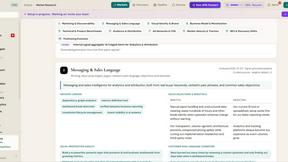
ROIpad
ROIpad brings continuous market proof to SaaS GTM strategy. Eliminate positioning guesswork and win competitive deals with live market evidence.
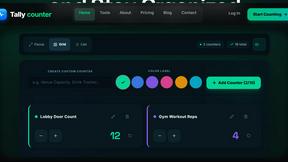
tallycounterweb.com
Online tally counter for tracking attendance, workouts, inventory, visitors, sports scores, habits, and everyday counting tasks.

GROWNX
Real-time App Store analytics with an AI copilot for portfolio owners.
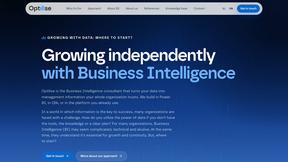
Optilise
Optilise is a Dutch Power BI consultancy helping SMEs get a grip on their numbers with clear BI software and solutions. We make companies self suffici

EchoLeads AI
EchoLeads AI transforms cold calling into warm conversations, using intelligent voice agents to qualify leads and book appointments while your team.
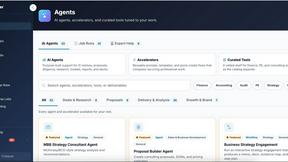
Decker
Decker transforms your consulting deliverables into polished outputs while providing workflows, expert support, and monetization opportunities.
AI Business Name Generator
Unlock your brand's potential with our AI Business Name Generator, crafting unique and memorable names for your startup in an instant.
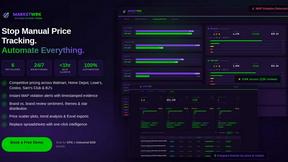
MarketWrk
MarketWrk automates CPG pricing, MAP monitoring, and review tracking, transforming data into actionable insights for your team instantly.
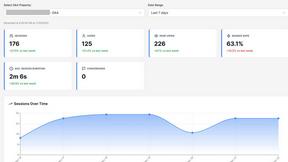
Opal44
Stop guessing at your website data and let our AI explain it in plain English.
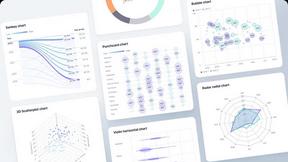
Fusedash
Fusedash transforms raw data into intuitive dashboards and charts, empowering your team to act on insights instantly.

finban
finban empowers you to confidently plan cash flow for hiring, taxes, and investments without the chaos of Excel.
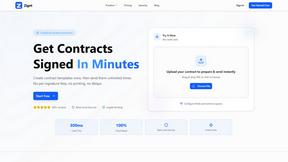
Zignt
Zignt transforms contract management with automated templates, secure signing, and seamless collaboration for teams.
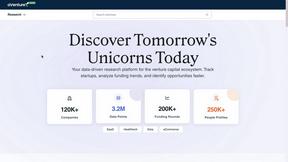
aVenture
aVenture empowers you to uncover and track emerging startups with AI-driven insights and comprehensive funding data.
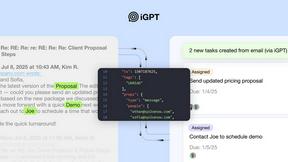
iGPT
iGPT transforms email conversations into trusted, context-aware insights for seamless enterprise workflows and AI.
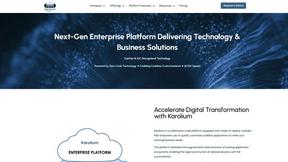
Karolium
Karolium is a zero-code platform that empowers enterprises to rapidly create and customize intelligent applications for.

Promotron
PromoTron revolutionizes the promotional industry with cloud-based solutions that automate sales and streamline.
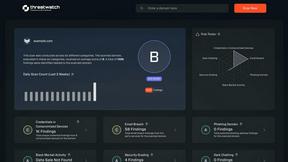
Threat Watch
Begin your journey to digital safety by instantly uncovering your cybersecurity health and risks.
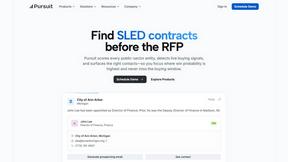
Pursuit
Pursuit helps you win SLED deals by revealing opportunities long before the RFP is announced.
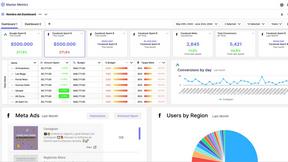
Master Metrics
Master Metrics transforms your scattered data into a clear story of growth and actionable insights.
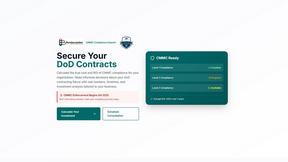
CMMC ROI
Calculate and unlock the true ROI of CMMC compliance to secure your DoD contracts with tailored investment insights.

Deeploy
Deeploy transforms your scattered AI into a governed, scalable journey you control.
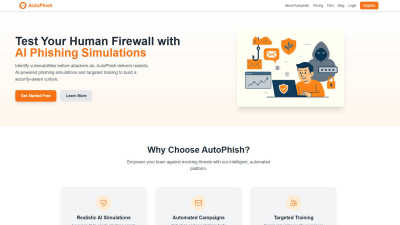
AutoPhish
AutoPhish equips teams with AI-driven phishing simulations and training to strengthen security awareness and prevent.
Popular Alternatives in Business Intelligence
About Business Intelligence products
Business Intelligence tools transform raw data into strategic insights through dashboards, reports, visualizations, and automated analysis. This category includes BI platforms, data warehousing solutions, reporting tools, KPI tracking software, and executive dashboard builders designed for organizations that need to monitor performance and make data-driven decisions.
Whether you are building executive dashboards, analyzing sales trends, tracking operational KPIs, or creating self-service reporting for your team, these tools provide the analytical infrastructure needed to understand your business performance at every level.
Compare business intelligence tools by their data connectivity, visualization capabilities, query performance, collaboration features, and pricing to find the right platform for your organization's analytical maturity and needs.
FAQs for Business Intelligence
What types of BI tools are included?
This category includes full BI platforms, dashboard builders, reporting tools, data visualization software, embedded analytics solutions, KPI tracking platforms, and self-service analytics tools designed for both technical and business users.
Do I need technical skills to use BI tools?
Many BI tools offer drag-and-drop interfaces and natural language query features for business users. More advanced platforms support SQL, custom calculations, and data modeling for technical users who need deeper analytical capabilities.
How do BI tools connect to my data?
BI tools typically connect to databases, data warehouses, cloud storage, spreadsheets, APIs, and popular business applications through native connectors. Most support real-time and scheduled data refresh options.
Can BI tools handle real-time data?
Many modern BI tools support real-time or near-real-time data streaming and dashboard updates. The refresh frequency depends on the tool and your data source capabilities, with options ranging from seconds to scheduled intervals.
Are BI tools suitable for small teams?
Yes. Many BI tools offer affordable plans for small teams with core visualization, reporting, and dashboard features. Cloud-based solutions eliminate the need for infrastructure management, making BI accessible to organizations of any size.
How do I choose the right BI tool?
Evaluate your data sources, team technical skills, visualization requirements, collaboration needs, deployment preferences, and budget. Request demos and use free trials to test data connectivity and dashboard creation before committing.