
Crawlkit vs Fusedash
Side-by-side comparison to help you choose the right product.

Crawlkit
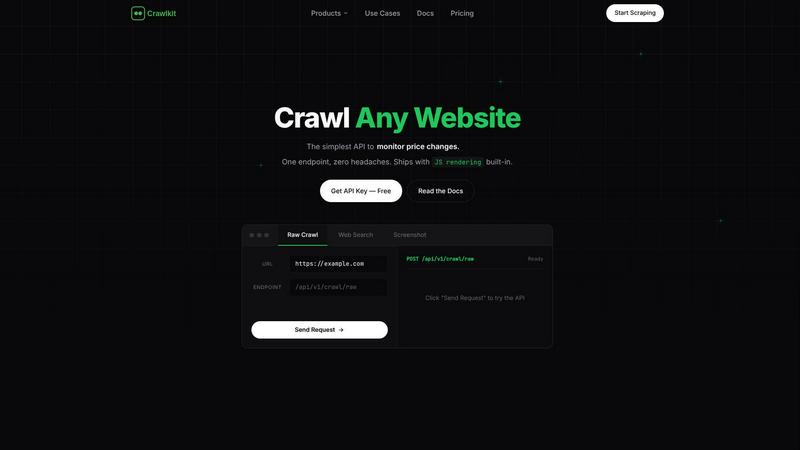
Turn any website into a structured API with a single, simple call.
Last updated: February 28, 2026

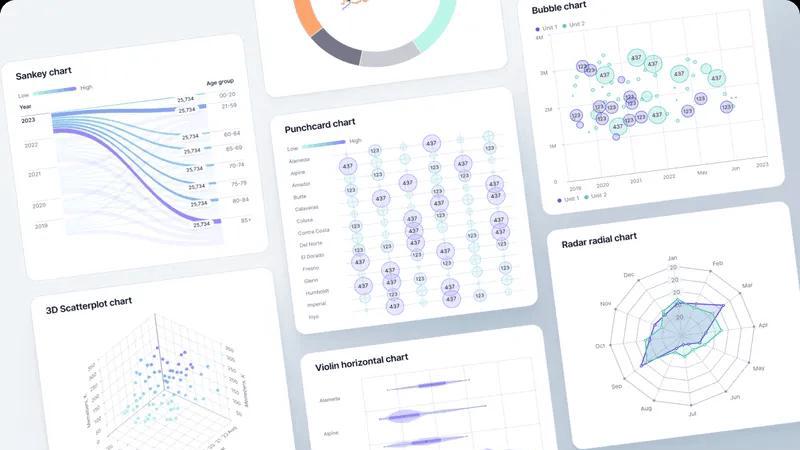
Fusedash transforms raw data into intuitive dashboards and charts, empowering your team to act on insights instantly.
Last updated: March 4, 2026
Visual Comparison
Crawlkit
Fusedash
Feature Comparison
Crawlkit
One API for Every Data Source
Imagine having a universal key for every locked door on the web. Crawlkit provides exactly that—a single, consistent API endpoint to extract structured data from a diverse array of platforms. From professional networks like LinkedIn and social media giants like Instagram to app stores and search engines, you use the same simple request format. This eliminates the need to juggle multiple specialized scrapers or learn different protocols for each website, streamlining your entire data pipeline into one cohesive, manageable workflow.
Built-in Anti-Bot Evasion & Reliability
The journey for data is fraught with digital gatekeepers. Crawlkit acts as your expert navigator, automatically handling the complex challenges that break ordinary scrapers. It seamlessly rotates proxies to mimic organic traffic, employs headless browser rendering for JavaScript-heavy sites, and manages rate limits intelligently. This ensures your requests are successful and your data flow remains uninterrupted, providing complete, validated results without you ever worrying about the underlying technical skirmishes.
Developer-First SDK & Simplicity
Crawlkit is built with the developer's journey in mind. Getting started is a story of simplicity. With a straightforward SDK available for Node.js and a universal HTTP API, you can integrate powerful data extraction into your applications within minutes. The clear documentation and intuitive design mean you spend less time configuring tools and more time building the features that matter, using the clean, structured data delivered directly to your code.
Transparent, Credit-Based Pricing
Your expedition should be predictable, especially in cost. Crawlkit employs a clear, credit-based pricing model where you only pay for what you use, with costs known upfront for each API endpoint. Credits never expire, and there are no monthly commitments or hidden fees. This transparent approach, coupled with volume discounts, allows for precise budgeting and scalable growth, ensuring the path to more data is also a path to greater efficiency.
Fusedash
Flexible Views
Fusedash allows users to create tailored dashboard views that cater to the specific needs of different teams. With the ability to transform the same dataset into various formats—dashboards, charts, maps, or report-style views—it ensures stakeholders see only the most relevant information. This flexibility reduces the need for back-and-forth communication and empowers teams to focus on the insights that matter most.
AI Chart Generator
The AI Chart Generator feature enables users to swiftly create high-quality visuals from their data. Whether starting from a CSV or an API, users can generate charts in minutes, apply comparisons, and refine labels to ensure the visuals effectively communicate the intended story. This feature allows charts to be used as standalone visuals or integrated into larger dashboards, enhancing reporting efficiency.
Dashboard Software
Fusedash combines powerful dashboarding capabilities with narrative reporting, allowing teams to not only monitor KPIs but also understand the context behind performance changes. By integrating storytelling elements into dashboards, users can communicate what has changed, why it matters, and what the next steps should be, promoting alignment and reducing discrepancies in reporting.
AI Chat
Fusedash features an AI-powered chat interface that allows users to ask questions about their data in plain language. This smart chat functionality helps users explore breakdowns, get suggestions for relevant metrics and charts, and quickly generate insights that can be transformed into shareable dashboard views. This feature empowers users to engage with their data intuitively and efficiently.
Use Cases
Crawlkit
CRM and Lead Enrichment
Transform your sales pipeline from a list of names into a rich narrative. Automatically enrich contact records in your CRM by pulling detailed professional data from LinkedIn. Populate fields with accurate job titles, company information, employee counts, and recent activity, giving your sales team deep context for personalized outreach and higher conversion rates, all without manual research.
Competitive Intelligence and Market Research
Stay ahead in the market by silently observing your competitors' digital footprints. Use Crawlkit to monitor competitors' Instagram engagement, track pricing changes on e-commerce sites, or analyze their app store reviews and ratings over time. This continuous stream of structured intelligence allows you to spot trends, identify weaknesses, and adapt your strategy with data-backed confidence.
Brand Monitoring and Social Listening
Protect and understand your brand's story as it unfolds online. Systematically gather public mentions, reviews, and social media posts related to your brand, products, or industry keywords from various platforms. Crawlkit turns the noisy social web into structured data, enabling you to analyze sentiment, measure campaign impact, and respond to customer feedback proactively.
Content and Product Strategy
Fuel your content and product development with real-world data. Extract trending topics from forums, analyze review themes for your and competing products, or gather public feedback from app stores. This direct line to user-generated content provides invaluable insights for creating relevant blog posts, improving product features, and making strategic decisions that resonate with your audience.
Fusedash
Marketing Analytics
Marketing teams can leverage Fusedash to visualize campaign performance across various channels. By creating tailored dashboards, they can track key metrics such as engagement rates, conversion rates, and ROI, ensuring that stakeholders have a clear view of what strategies are working and what needs adjustment.
Sales Performance Monitoring
Sales teams can utilize Fusedash to monitor their performance in real-time. By integrating data from multiple sources, they can create dashboards that showcase sales trends, pipeline health, and regional performance, allowing for informed decision-making and timely interventions.
Operational Insights
Operations teams can benefit from Fusedash by visualizing operational metrics such as inventory levels, supply chain performance, and production efficiency. Custom dashboards provide insights that help identify bottlenecks and optimize processes, driving overall operational excellence.
Financial Reporting
Finance departments can streamline their reporting processes with Fusedash. By connecting various financial datasets, they can build comprehensive dashboards that display key financial metrics, trends, and forecasts, fostering transparency and enabling strategic financial planning.
Overview
About Crawlkit
In the vast digital landscape, data is the new currency, but extracting it often feels like a perilous expedition. Developers and data teams embark on this journey, only to be met with the formidable obstacles of anti-bot walls, rotating proxies, and the intricate dance of headless browsers. This is where the story of Crawlkit begins. It is not just another web scraping tool; it is a powerful web data extraction platform designed to be your trusted guide through this complex terrain. Crawlkit transforms the web into a simple, unified API, allowing you to bypass the technical maze and go straight to the treasure: structured, actionable data. Whether you're seeking real-time price monitoring, enriching CRM profiles from LinkedIn, tracking social media growth on Instagram, or analyzing app store reviews, Crawlkit handles the arduous process of collection. It meticulously manages proxy rotation, browser rendering, and platform-specific parsing, ensuring you receive clean, complete, and reliable data with a single API call. For businesses and builders who wish to harness the power of web data without getting lost in the infrastructure, Crawlkit is the compass that points directly to insight, turning the chaotic web into a streamlined, accessible API.
About Fusedash
Fusedash is an innovative AI-powered data visualization platform that empowers teams to convert their connected data into meaningful, actionable insights. Designed for organizations tired of navigating through disjointed reporting tools, Fusedash serves as a cohesive workspace where users can create decision-ready dashboards, interactive charts, detailed maps, and narrative reports efficiently. Its core value proposition revolves around consistency and efficiency: teams define key metrics and KPIs once and reuse them across all visualizations and reports. This ensures that everyone—from executives to marketing and operations—is aligned with the same trusted data. Fusedash is perfect for teams seeking to streamline their reporting processes, eliminate conflicting data narratives, and foster a data-driven culture. By leveraging integrated AI features such as natural language data chat and smart visualization assistance, Fusedash enhances data exploration and makes reporting not only faster but also more accessible. Ultimately, it transforms raw data into a shared source of truth, driving alignment and informed decision-making across the organization.
Frequently Asked Questions
Crawlkit FAQ
What platforms can I scrape with Crawlkit?
Crawlkit is designed as a versatile platform for structured data extraction. It offers dedicated, pre-built APIs for major platforms like LinkedIn, Instagram, Google Play Store, and Apple App Store. Furthermore, the team is committed to expansion; if you need an API for a specific website or platform they don't yet support, you can contact them, and they will work to build it for you.
How does Crawlkit handle websites with anti-bot protection?
Crawlkit is engineered to navigate these challenges automatically. The system employs a sophisticated combination of residential proxy rotation to distribute requests, full headless browser rendering to execute JavaScript just like a real user, and intelligent request pacing. This multi-layered approach maximizes success rates, allowing you to collect data from even the most protected sites reliably.
Do I need to manage proxies or browsers myself?
No, that's the core value of the journey with Crawlkit. All the complex infrastructure—including proxy management, browser automation, CAPTCHA solving, and HTML parsing—is fully managed by the Crawlkit platform. You simply make an API call specifying what data you want and from where, and Crawlkit delivers the clean, structured result, handling all the hard parts behind the scenes.
What happens if a request fails?
Crawlkit operates on a "refund on failure" policy. If an API request is unsuccessful and does not return the requested structured data, the credits used for that attempt are automatically refunded to your account. This ensures you only pay for successful data delivery, aligning the platform's success directly with your own.
Fusedash FAQ
What types of data can I integrate with Fusedash?
Fusedash allows users to integrate data from various sources, including CSV uploads, API connections, and public datasets. This flexibility enables teams to create comprehensive views that combine multiple data streams for deeper insights.
How does Fusedash ensure data consistency across reports?
Fusedash allows users to define key metrics and KPIs once, which can then be reused across all dashboards and reports. This standardization ensures that all teams are working with the same definitions and numbers, promoting trust in the data.
Can I share my dashboards with stakeholders?
Yes, Fusedash provides options to share dashboards with stakeholders, ensuring that everyone has access to the same insights. This feature fosters alignment within teams and enhances collaborative decision-making.
How does the AI Chat feature work?
The AI Chat feature allows users to ask questions about their data in natural language. It provides suggestions for metrics, charts, and breakdowns, helping users navigate their data more effectively and quickly generate insights for reporting.
Alternatives
Crawlkit Alternatives
In the world of data-driven decisions, tools like Crawlkit serve as vital bridges to the vast information on the web. As a developer-centric platform in the analytics and data category, it transforms the complex task of web scraping into a streamlined process for gathering insights and monitoring changes. Yet, every project has its own unique journey, and the path that works for one team may not be the perfect fit for another. Users often begin searching for different tools when their needs evolve. Perhaps a project demands a specific feature not yet available, or budget constraints require a different pricing model. Others might seek a platform that aligns more closely with their existing tech stack or offers a different balance between simplicity and advanced control. It’s a natural part of finding the right tool for your specific data expedition. When evaluating other options, consider the core of your mission. Look for reliability in handling modern website protections, the scalability to grow with your data demands, and the clarity of an API that lets you focus on insights, not infrastructure. The goal is to find a companion that removes roadblocks, allowing you to navigate the web's data landscape with confidence and ease.
Fusedash Alternatives
Fusedash is an AI-powered data visualization platform that simplifies the process of turning raw data into actionable insights through clear dashboards and interactive charts. As part of the Analytics & Data category, it is designed for teams seeking a unified workspace to streamline their reporting and decision-making processes. However, users often find themselves exploring alternatives due to various factors such as pricing concerns, specific feature requirements, or compatibility with existing platforms. When considering alternatives, it's essential to evaluate the ease of use, integration capabilities, and the ability to deliver consistent and accurate data that aligns with your organization's goals.