
Skene
Skene transforms your codebase into a self-owned growth engine that drives product-led success through actionable.
VisitPublished on:
December 4, 2025
Pricing:
About Skene
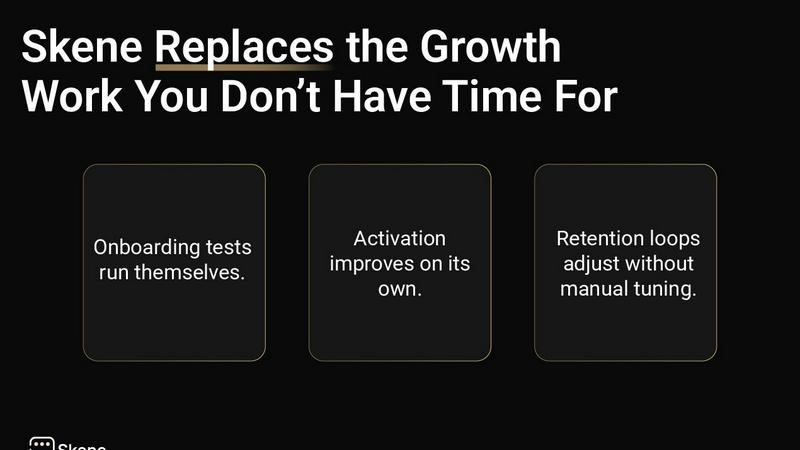
Skene is an innovative product-led growth (PLG) engine tailored for solo developers and early-stage startup founders who crave an autonomous growth mechanism for their products. Imagine dedicating hours, days, or even months to crafting a beautiful and functional application, only to face the uphill battle of user growth. The traditional growth strategies often require hiring specialized teams and managing a disjointed array of tools that distract from your core development work. Skene simplifies this process by transforming your codebase into a self-optimizing growth machine. By deeply understanding user interactions and identifying friction points, Skene automates the creation, testing, and deployment of improved user flows. This means you no longer need to rely on external growth widgets or cumbersome analytics dashboards. Instead, growth becomes an integral part of your infrastructure, allowing you to focus on what you love most—building and innovating your product.
Features of Skene
Automated Growth Optimization
Skene's core functionality lies in its ability to analyze your codebase for growth signals. It autonomously identifies friction points in user onboarding and activation, enabling you to create optimized user flows without manual input. This feature ensures that your product evolves with each deployment, keeping user engagement high.
Contextual AI Integration
With Skene, growth is tied directly to your development environment. It integrates seamlessly with your IDE, allowing you to implement growth strategies as part of your coding process. This contextual layer ensures that your AI can interact with your product, providing real-time insights and facilitating prompt-driven growth improvements.
Real-Time Analytics Dashboard
Skene offers a robust analytics dashboard that tracks user progress and engagement metrics in real time. You can monitor completion rates, identify bottlenecks, and measure the impact of your growth initiatives. This actionable data allows you to make informed decisions quickly, optimizing your user journey continually.
Outcome-Based Pricing Model
Skene's pricing is designed with your success in mind. You only pay when users successfully complete their onboarding journey, making it a low-risk investment for startups. The free tier allows for a limited number of onboardings each month, enabling you to test and validate Skene's capabilities before committing to a paid plan.
Use Cases of Skene
Streamlined User Onboarding
For a startup looking to enhance user onboarding, Skene automates the process by identifying common friction points. By optimizing user flows, it ensures that new users can navigate your product effortlessly, leading to higher activation rates and reduced churn.
Enhanced Customer Retention
Skene's automated testing capabilities allow you to experiment with different retention strategies without the need for manual intervention. By continuously analyzing user behavior, it helps in crafting personalized experiences that keep customers engaged and coming back.
Data-Driven Feature Adoption
With Skene's real-time analytics, you can track how users interact with new features. This insight allows you to refine your product offerings based on actual user needs, leading to increased feature adoption and a more satisfied customer base.
Rapid Iteration and Improvement
For indie developers who thrive on continuous improvement, Skene facilitates rapid iteration cycles. It enables you to test different user flows and make adjustments on the fly, ensuring that your product evolves in line with user expectations and market demands.
Frequently Asked Questions
What is PLG software?
PLG (Product-Led Growth) software automates the user journey, allowing users to discover value in your product without requiring manual intervention from sales or customer success teams. It focuses on driving user activation and retention through the product itself.
How is Skene different from traditional customer experience software?
Unlike traditional tools that rely on manual setup and maintenance, Skene automates the generation of onboarding and analytics flows directly from your codebase. This means that every time you push code, your growth strategies are automatically updated, reducing the need for constant oversight.
How long does it take to set up?
Setting up Skene is incredibly quick, taking less than 60 seconds. Simply connect your GitHub or GitLab repository with read-only access, and Skene will analyze your codebase to generate PLG flows without requiring any code changes or API modifications.
Is my code secure?
Yes, your code is secure with Skene. The platform only requires read-only access to your repository, and all analyses are conducted in a secure, isolated environment, ensuring that your intellectual property and sensitive information remain protected.
Similar to Skene
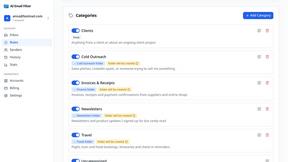
AI Email Filter
AI Email Filter sorts incoming mail into folders using plain-language prompts you write. Works with any IMAP mailbox; bring your own LLM if you want.
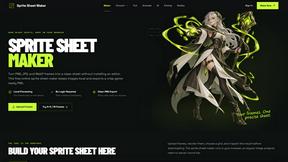
Sprite Sheet Maker
A free browser-based toolkit for creating, cutting, converting, and previewing sprite sheet animations.
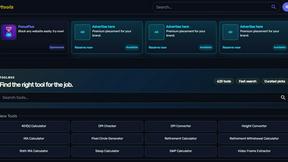
Kody Tools
Free collection of online developer utilities, code formatters, and digital converters designed to streamline your daily workflow.
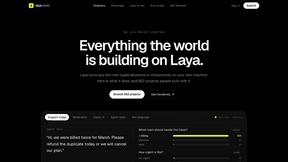
laya.tools
A free directory of 950+ projects built on Laya, the open-source decision model. Updated daily.
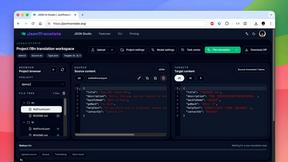
JsonTranslate
Translate JSON, Markdown, and TXT while preserving keys, nested paths, and project structure.
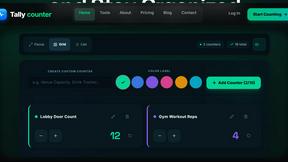
tallycounterweb.com
Online tally counter for tracking attendance, workouts, inventory, visitors, sports scores, habits, and everyday counting tasks.