Elmo
Elmo reveals how AI models see your brand, letting you track mentions, analyze citations, and outpace competitors with data that stays yours.
Visit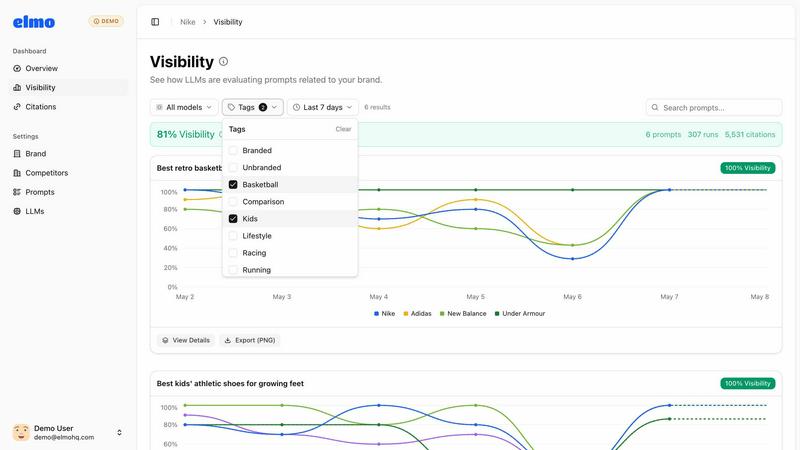
About Elmo
Imagine a world where your brand's reputation is not just shaped by what you say, but by what an AI model decides to tell a potential customer. This is the new reality of brand visibility. Elmo is an innovative, open-source AI visibility tracking tool designed to help you navigate this uncharted territory. It is your command center for understanding how AI models like ChatGPT, Claude, Gemini, and Perplexity perceive and discuss your brand. Elmo does more than just monitor mentions; it provides a deep, analytical view into your brand's presence across the entire AI landscape. For marketing managers, brand strategists, and data analysts, Elmo is the essential tool for moving from guesswork to data-driven strategy. It empowers you to track mentions, analyze citations, benchmark your performance against competitors, and uncover the trends that matter. The platform is self-hosted, meaning your sensitive brand data remains secure on your own infrastructure, free from vendor lock-in and corporate data policies. You maintain complete control and ownership. With Elmo, you can see exactly what AI models are saying about you, understand where they get their information, and strategically optimize your content to ensure your brand is represented accurately and prominently. It is about taking control of your narrative in an increasingly AI-driven world, turning a potential risk into a powerful competitive advantage.
Features of Elmo
Dashboard: Your AI Visibility Command Center
The Dashboard is the central nervous system of Elmo, offering a comprehensive, at-a-glance view of your brand's AI presence. It consolidates all critical data into one intuitive interface, showing your current visibility scores, key performance metrics, and emerging trends. You can see a clear breakdown of citation categories, identifying which sources (brand-owned, competitor, social, or news) are being referenced by AI models. This feature allows you to quickly assess your brand's health across the AI ecosystem, spot anomalies, and understand the immediate impact of your content and PR strategies. It transforms raw data into actionable insights, giving you the power to react in real-time.
Visibility: Track Across Every Prompt and Model
This feature provides granular control over how you measure your brand's AI footprint. You can filter your visibility data by specific AI models, time ranges, and custom tags to isolate performance in different areas. For each prompt you are tracking, Elmo calculates a visibility score and displays a trend line, allowing you to see how your brand's presence is evolving. You can directly compare your score against your competitors for the same prompts, revealing exactly where you are winning or losing the battle for AI recognition. This feature turns abstract "visibility" into a quantifiable, trackable metric that you can actively improve.
Citations: Understand Where AI Gets Its Information
Citations are the bedrock of AI responses, and Elmo provides a powerful lens to examine them. This feature reveals which domains and specific URLs are most frequently cited by AI models when discussing your brand or industry. It tracks the lifecycle of these sources, showing you which new citations have appeared and which ones have dropped off over time. The data is broken down into categories, such as brand, competitor, and social, giving you a clear picture of the information ecosystem influencing AI outputs. By understanding exactly where AI models get their facts, you can strategically invest in content and PR efforts that are most likely to become trusted sources.
Competition: See How You Stack Up
The Competition feature is your strategic advantage in the AI visibility race. It provides a clear, data-backed comparison of your brand's AI mention rate against your top competitors. The feature displays a ranked list, showing you who dominates which prompts and where the gaps in your own visibility lie. You can see, for example, that Brand A has a 78% mention rate while your brand is at 64%, giving you a specific target to close. This competitive intelligence allows you to identify the strengths and weaknesses of your rivals' AI strategies, uncover untapped opportunities, and prioritize your content creation efforts for maximum impact.
Use Cases of Elmo
Optimizing Content for AI Discovery
A content marketing team wants to ensure their blog posts are cited by AI models when users ask relevant questions. They use Elmo to track specific prompts related to their industry. By analyzing the "Citations" feature, they discover that AI models frequently cite a competitor's technical white paper but rarely their own. They then use this insight to create a more comprehensive, data-driven guide on the same topic. After publishing, they monitor Elmo's "Trends" feature to watch as their new content begins to appear in AI citations, directly improving their brand's visibility and authority.
Benchmarking Brand Reputation Against Competitors
A brand strategist needs to understand how their company's AI reputation compares to a new, aggressive competitor. They set up Elmo to track a set of key prompts related to product quality and customer service. Using the "Competition" feature, they see that the competitor has a significantly higher mention rate for the prompt "best customer support software." This prompts a deep dive into the "Deep Dive" feature, where they analyze the actual AI responses. They find the competitor is cited for a specific case study. The strategist then uses this information to create and promote their own compelling case study, closing the visibility gap.
Monitoring the Impact of a PR Crisis
A company faces a negative news cycle and is worried about how AI models will incorporate the story. The crisis management team immediately uses Elmo to monitor mentions of their brand across all AI models. They use the "Trends" feature to watch for a sudden spike in negative citations. By filtering the "Dashboard" for a specific time range, they can see if new, unfavorable sources are being cited. This real-time monitoring allows them to prepare a strategic response, such as publishing a clarifying blog post or official statement, and then use Elmo to track if that new source begins to be cited, helping to steer the AI narrative.
Identifying New Market Opportunities
A data analyst is asked to find new, underserved areas for the company's product line. They use Elmo to track a broad set of industry-related prompts. By analyzing the "Visibility" scores per prompt, they discover that AI models consistently mention their brand for "enterprise solutions" but rarely for "small business tools." This gap indicates a market opportunity. They then create a series of targeted content focused on small business needs. Using Elmo's "Prompts" feature, they tag and track these new prompts, observing over the following months how their visibility in this new segment grows, validating the new market strategy.
Frequently Asked Questions
What exactly does Elmo track?
Elmo tracks how AI models, such as ChatGPT, Claude, Gemini, and Perplexity, mention and cite your brand. It monitors the visibility of your brand name and related keywords across a wide range of prompts, providing scores, citation analysis, and competitive comparisons. It does not track individual user conversations, but rather the public or API-accessible responses from these AI models.
Is my data safe with Elmo?
Yes, data security is a core principle. Elmo is designed to be self-hosted, meaning you install and run the software on your own infrastructure. Your data, including your brand keywords, competitor lists, and tracking history, never leaves your servers. This ensures you have complete control and ownership, eliminating the risk of vendor lock-in or data mining by a third party.
How do I get started with Elmo?
Getting started is simple. You can use the command line interface by running npm install -g @elmohq/cli followed by elmo init in your terminal. This will set up the self-hosted environment. For a quicker overview, you can also explore the "Live demo" available on the Elmo website to see the dashboard and features in action before installing.
Which AI models does Elmo support?
Elmo offers broad model coverage. It supports major AI models including ChatGPT, Claude, Gemini, Grok, Mistral, Perplexity, Copilot, and DeepSeek. It also covers Google AI Mode and Google AI Overviews. You can track these models either through web scraping or by using their official APIs, and you bring your own API keys to maintain control and privacy.
Pricing of Elmo
Elmo offers a flexible pricing structure designed to fit different needs, from individual developers to large enterprises. The core product is open source, allowing you to self-host it completely for free.
01 Self-Hosted: $0
This plan gives you full access to the entire feature set. You get unlimited prompts, support for all AI models, citation analysis, competitor tracking, and full source code access. It is supported by the community and is perfect for those who want complete control over their data and infrastructure.
02 Cloud: Coming Soon
This managed hosting option will handle all maintenance, updates, and backups for you. It will include everything in the Self-Hosted plan, plus automatic updates, priority support, daily backups, and usage analytics. You can join the waitlist to be notified when it launches.
03 White Label: Custom Pricing
Designed for agencies and larger organizations, this plan allows you to provide AI visibility tracking (AEO) as a service to your own customers. It includes everything in the Cloud plan, plus custom branding, a custom domain, SSO, a shared Slack channel for support, and prioritized feature requests. Contact the Elmo team for a custom quote.
Similar to Elmo
LaunchBert
LaunchBert saves you hours launching to directories - with a curated roadmap, one-click badge integration, and a form auto-fill Chrome extension.

BriefIQ
AI SEO platform for keyword research, content briefs, writing, grading, optimization and publishing.
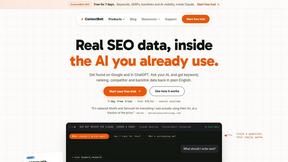
ContextBolt SEO
Research keywords, competitors, backlinks and AI visibility inside Claude or Codex, with findings saved to your SEO dashboard.
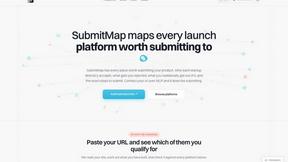
SubmitMap
A directory of launch platforms: who each accepts, what disqualifies you, and how to submit. Free to read, and your agent can do the submitting.

Built2Win AI Indexing
Custom PHP websites, AI Indexing Pack ($599 one‑time), and WebAgentScan SaaS ($9/mo). MCP, A2A, llms.txt, full ownership.