
Fusedash vs qtrl.ai
Side-by-side comparison to help you choose the right product.

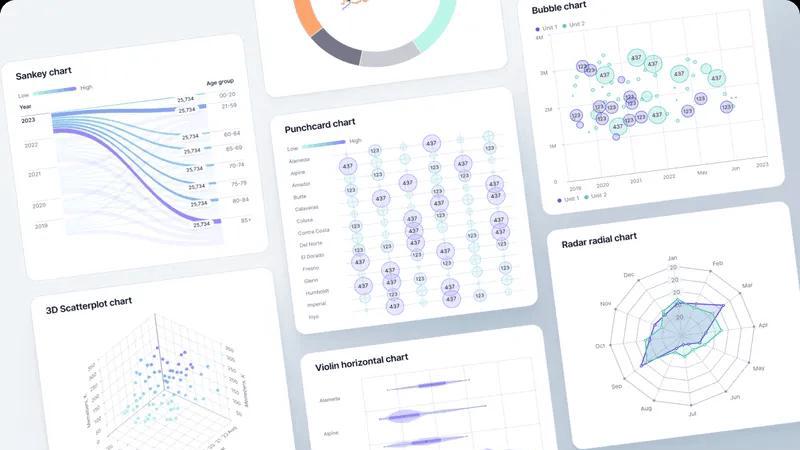
Fusedash transforms raw data into intuitive dashboards and charts, empowering your team to act on insights instantly.
Last updated: March 4, 2026

qtrl.ai
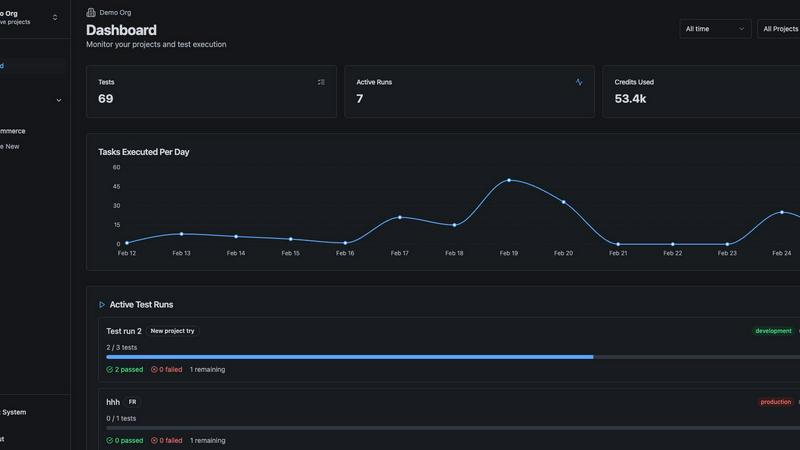
qtrl.ai empowers QA teams to scale testing with AI-driven agents while maintaining complete control and governance.
Last updated: March 4, 2026
Visual Comparison
Fusedash
qtrl.ai
Feature Comparison
Fusedash
Flexible Views
Fusedash allows users to create tailored dashboard views that cater to the specific needs of different teams. With the ability to transform the same dataset into various formats—dashboards, charts, maps, or report-style views—it ensures stakeholders see only the most relevant information. This flexibility reduces the need for back-and-forth communication and empowers teams to focus on the insights that matter most.
AI Chart Generator
The AI Chart Generator feature enables users to swiftly create high-quality visuals from their data. Whether starting from a CSV or an API, users can generate charts in minutes, apply comparisons, and refine labels to ensure the visuals effectively communicate the intended story. This feature allows charts to be used as standalone visuals or integrated into larger dashboards, enhancing reporting efficiency.
Dashboard Software
Fusedash combines powerful dashboarding capabilities with narrative reporting, allowing teams to not only monitor KPIs but also understand the context behind performance changes. By integrating storytelling elements into dashboards, users can communicate what has changed, why it matters, and what the next steps should be, promoting alignment and reducing discrepancies in reporting.
AI Chat
Fusedash features an AI-powered chat interface that allows users to ask questions about their data in plain language. This smart chat functionality helps users explore breakdowns, get suggestions for relevant metrics and charts, and quickly generate insights that can be transformed into shareable dashboard views. This feature empowers users to engage with their data intuitively and efficiently.
qtrl.ai
Autonomous QA Agents
qtrl.ai features autonomous QA agents that can execute instructions on demand or run continuously, adapting to your team’s needs. These agents operate within your defined rules and provide real browser execution, ensuring reliable testing across different environments and scenarios.
Enterprise-Grade Test Management
With qtrl.ai's enterprise-grade test management, teams can maintain centralized test cases, plans, and runs. This feature ensures full traceability and audit trails, allowing for both manual and automated workflows that are built for compliance and auditability, making it easier to adhere to industry standards.
Progressive Automation
The platform offers a progressive automation feature where teams can start with human-written test instructions before gradually transitioning to AI-generated tests. qtrl.ai suggests new tests based on coverage gaps, allowing for a seamless review and approval process that keeps teams in control of their testing strategy.
Adaptive Memory
qtrl.ai includes an adaptive memory feature that builds a living knowledge base of your application. By learning from exploration, test execution, and identified issues, this feature powers smarter, context-aware test generation that becomes increasingly effective with every interaction, fostering continuous improvement.
Use Cases
Fusedash
Marketing Analytics
Marketing teams can leverage Fusedash to visualize campaign performance across various channels. By creating tailored dashboards, they can track key metrics such as engagement rates, conversion rates, and ROI, ensuring that stakeholders have a clear view of what strategies are working and what needs adjustment.
Sales Performance Monitoring
Sales teams can utilize Fusedash to monitor their performance in real-time. By integrating data from multiple sources, they can create dashboards that showcase sales trends, pipeline health, and regional performance, allowing for informed decision-making and timely interventions.
Operational Insights
Operations teams can benefit from Fusedash by visualizing operational metrics such as inventory levels, supply chain performance, and production efficiency. Custom dashboards provide insights that help identify bottlenecks and optimize processes, driving overall operational excellence.
Financial Reporting
Finance departments can streamline their reporting processes with Fusedash. By connecting various financial datasets, they can build comprehensive dashboards that display key financial metrics, trends, and forecasts, fostering transparency and enabling strategic financial planning.
qtrl.ai
Product-Led Engineering Teams
For product-led engineering teams, qtrl.ai provides a robust solution for managing complex testing scenarios while ensuring that quality remains a top priority. The platform allows teams to collaborate effectively, enabling faster release cycles without sacrificing oversight.
QA Teams Moving Beyond Manual Testing
QA teams that are transitioning from manual testing to automation find immense value in qtrl.ai. The platform’s gradual approach to automation allows teams to maintain control while incrementally adopting AI-driven testing methodologies, resulting in improved efficiency and coverage.
Companies Modernizing Legacy Workflows
Organizations looking to modernize their legacy QA processes can leverage qtrl.ai to streamline their testing efforts. The platform’s integration capabilities ensure compatibility with existing tools, facilitating a smoother transition to modern workflows that enhance quality and responsiveness.
Enterprises Requiring Governance
Enterprises that must adhere to strict compliance and auditing requirements can rely on qtrl.ai for its enterprise-grade features. With full traceability, audit trails, and permissioned autonomy levels, qtrl.ai provides the necessary governance and transparency that larger organizations demand.
Overview
About Fusedash
Fusedash is an innovative AI-powered data visualization platform that empowers teams to convert their connected data into meaningful, actionable insights. Designed for organizations tired of navigating through disjointed reporting tools, Fusedash serves as a cohesive workspace where users can create decision-ready dashboards, interactive charts, detailed maps, and narrative reports efficiently. Its core value proposition revolves around consistency and efficiency: teams define key metrics and KPIs once and reuse them across all visualizations and reports. This ensures that everyone—from executives to marketing and operations—is aligned with the same trusted data. Fusedash is perfect for teams seeking to streamline their reporting processes, eliminate conflicting data narratives, and foster a data-driven culture. By leveraging integrated AI features such as natural language data chat and smart visualization assistance, Fusedash enhances data exploration and makes reporting not only faster but also more accessible. Ultimately, it transforms raw data into a shared source of truth, driving alignment and informed decision-making across the organization.
About qtrl.ai
qtrl.ai is a revolutionary quality assurance platform designed specifically for modern software development teams aiming to enhance their QA processes without compromising on governance or control. By merging enterprise-grade test management with sophisticated AI-driven automation, qtrl.ai serves as a centralized hub for organizing test cases, planning test runs, and tracking quality metrics in real-time. With a focus on providing clear visibility into testing outcomes, qtrl.ai empowers engineering leads and QA managers to identify potential risks and ensure comprehensive coverage of requirements.
What sets qtrl.ai apart is its innovative approach to AI integration. Instead of implementing a one-size-fits-all, autonomous AI model, qtrl.ai offers a progressive pathway that allows teams to gradually adopt intelligent automation. Starting with manual test management, teams can transition to using autonomous agents that generate UI tests from simple English descriptions and adapt as applications evolve. This makes qtrl.ai particularly suitable for product-led engineering teams, QA groups transitioning from manual processes, organizations modernizing outdated workflows, and enterprises that require stringent compliance and audit trails. Ultimately, qtrl.ai bridges the gap between the slow pace of manual testing and the complexities of traditional automation, enabling faster, more intelligent quality assurance.
Frequently Asked Questions
Fusedash FAQ
What types of data can I integrate with Fusedash?
Fusedash allows users to integrate data from various sources, including CSV uploads, API connections, and public datasets. This flexibility enables teams to create comprehensive views that combine multiple data streams for deeper insights.
How does Fusedash ensure data consistency across reports?
Fusedash allows users to define key metrics and KPIs once, which can then be reused across all dashboards and reports. This standardization ensures that all teams are working with the same definitions and numbers, promoting trust in the data.
Can I share my dashboards with stakeholders?
Yes, Fusedash provides options to share dashboards with stakeholders, ensuring that everyone has access to the same insights. This feature fosters alignment within teams and enhances collaborative decision-making.
How does the AI Chat feature work?
The AI Chat feature allows users to ask questions about their data in natural language. It provides suggestions for metrics, charts, and breakdowns, helping users navigate their data more effectively and quickly generate insights for reporting.
qtrl.ai FAQ
How does qtrl.ai ensure the security of my testing processes?
qtrl.ai is built with enterprise-ready security measures, ensuring that sensitive information is protected. The platform operates with permissioned autonomy levels and provides full agent visibility, eliminating black-box decision-making.
Can I start with manual testing and transition to automation later?
Yes, qtrl.ai is designed for progression. You can begin with manual test management and gradually introduce AI automation as your team becomes comfortable with the platform, making it adaptable to your pace.
What types of environments can I run tests on with qtrl.ai?
qtrl.ai supports multi-environment executions, allowing teams to run tests across development, testing, staging, and production environments. Each environment can have its own variables and encrypted secrets for added security.
How does qtrl.ai help in identifying coverage gaps?
qtrl.ai analyzes your existing test coverage and suggests new tests to fill any identified gaps. This proactive approach enables your team to maintain comprehensive coverage and ensure that all critical areas of your application are tested thoroughly.
Alternatives
Fusedash Alternatives
Fusedash is an AI-powered data visualization platform that simplifies the process of turning raw data into actionable insights through clear dashboards and interactive charts. As part of the Analytics & Data category, it is designed for teams seeking a unified workspace to streamline their reporting and decision-making processes. However, users often find themselves exploring alternatives due to various factors such as pricing concerns, specific feature requirements, or compatibility with existing platforms. When considering alternatives, it's essential to evaluate the ease of use, integration capabilities, and the ability to deliver consistent and accurate data that aligns with your organization's goals.
qtrl.ai Alternatives
qtrl.ai is a cutting-edge QA platform that empowers software teams to enhance their quality assurance processes through a mix of AI-driven automation and robust test management capabilities. It is designed to help teams scale their testing efforts while maintaining stringent control and governance, providing a structured environment for managing test cases, tracking quality metrics, and ensuring comprehensive coverage of requirements. Users often seek alternatives to qtrl.ai for various reasons, including pricing considerations, specific feature requirements, or compatibility with existing platforms. When exploring alternatives, it’s essential to look for solutions that not only offer similar functionalities but also provide a user-friendly experience, reliable support, and the ability to integrate seamlessly into your current workflows. A clear understanding of your team’s needs and priorities will guide you in selecting the right tool.