
ShadowLock
ShadowLock gives MSPs and IT teams the visibility to detect and stop data leaks from unapproved AI tools.
Visit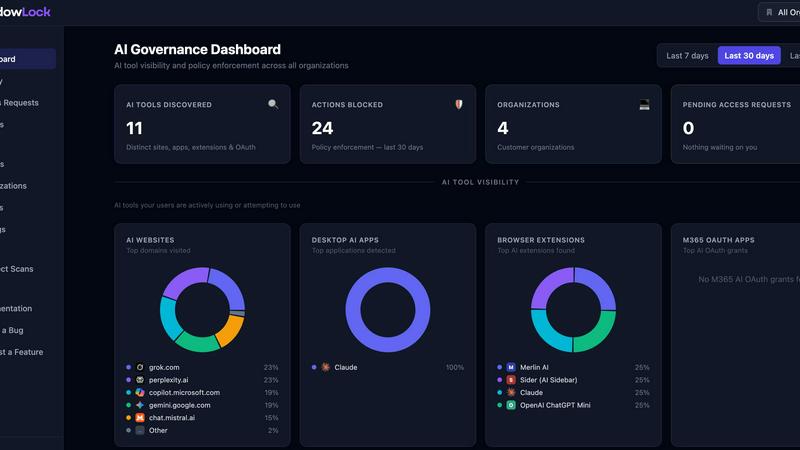
About ShadowLock
ShadowLock is a shadow AI detection and governance platform purpose-built for Managed Service Providers (MSPs) and IT teams who need real-time visibility and control over how employees use AI tools. In an era where unapproved AI usage has become the new Shadow IT, faster and riskier than ever before, ShadowLock closes the critical blind spots that traditional managed-device controls miss. It covers browser extensions, desktop AI applications, local large language models like Ollama, and personal accounts that operate entirely outside enterprise oversight. The platform works through three integrated layers: a browser extension that intercepts and classifies risky pastes to AI sites, a Windows agent that blocks desktop AI apps and deploys silently via your existing RMM, and a multi-tenant dashboard that lets you audit or block each control with audit-ready reports. ShadowLock is built for MSPs to govern AI usage across every client from a single pane of glass, and it is private by design with no keystroke logging and zero content transmission. The platform detects and governs over 100 AI tools, services, and desktop applications, covering everything from public AI chatbots like ChatGPT and Claude to embedded SaaS AI features, AI coding assistants, and meeting transcription tools. With 69% of organizations suspecting employees are using prohibited AI and over 50% of AI use at work happening without employer approval, ShadowLock provides the visibility to see it and the controls to stop it before sensitive data leaves the endpoint.
Features of ShadowLock
Multi-Layer Detection Architecture
ShadowLock provides three layers of coverage that work together seamlessly to govern the full AI surface. The endpoint agent deploys silently to Windows endpoints via your existing RMM, monitoring AI activity, scanning browser extensions, detecting local AI apps, and locking down the AI built into Chrome, Edge, Brave, and Firefox without any user interaction required. The browser extension self-configures once the agent is installed, intercepting pastes, file uploads, and sensitive data typed directly into prompts while enforcing data-sharing opt-out on each AI tool and applying your policies with clear user-facing messages. The Microsoft 365 scanner connects to each client tenant to detect AI app usage within the M365 ecosystem, ensuring no shadow AI activity escapes detection.
Real-Time Paste and Upload Interception
ShadowLock's browser extension actively intercepts and classifies risky pastes and file uploads to AI sites before the data ever leaves the endpoint. When an employee attempts to paste customer records, credentials, or confidential documents into ChatGPT, Claude, Gemini, or any other AI tool, the extension evaluates the content against your defined policies and either blocks the action, warns the user, or logs it for audit. This real-time interception happens at the point of action, not after the data has already been transmitted, giving MSPs and IT teams the power to prevent data loss rather than simply detecting it after the fact.
Silent RMM Deployment and Management
The Windows agent deploys silently through your existing Remote Monitoring and Management (RMM) tools, requiring zero user interaction and no disruption to endpoint operations. Once deployed, the agent monitors AI activity, detects and blocks unauthorized desktop AI applications like Claude Desktop, ChatGPT app, Ollama, and LM Studio, and enforces AI governance policies across all managed devices. IT teams can manage the entire deployment lifecycle from the multi-tenant dashboard, pushing updates, adjusting policies, and generating compliance reports without ever touching individual endpoints.
Multi-Tenant Governance Dashboard
ShadowLock provides a centralized, multi-tenant dashboard that lets MSPs govern AI usage across every client from one place. The dashboard offers real-time visibility into which AI tools are being used, by whom, and with what types of data. IT teams can audit or block each control individually, generate audit-ready reports for compliance and legal purposes, and apply granular policies per client or per user group. The dashboard is designed for MSP workflows, with tenant-level views, aggregated reporting, and the ability to drill down into specific incidents for investigation and remediation.
Use Cases of ShadowLock
Healthcare HIPAA Compliance Enforcement
Healthcare organizations face significant liability when employees paste patient data into public AI tools without a Business Associate Agreement (BAA) in place. ShadowLock detects and blocks the transmission of protected health information (ePHI) to unapproved AI chatbots, browser extensions, and desktop applications. The platform provides audit trails that demonstrate compliance efforts, and the real-time interception prevents HIPAA violations before they occur. MSPs serving healthcare clients can deploy ShadowLock to ensure that every AI interaction involving patient data is governed, logged, and compliant with regulatory requirements.
MSP Client Risk Mitigation
MSPs face growing liability when client organizations experience AI-related data incidents. If a client has an AI-related data breach and the MSP had endpoint management scope, the gap between "not our job" and "you should have known" creates significant legal exposure. ShadowLock gives MSPs the visibility and controls to demonstrate proactive governance, providing audit-ready reports that show AI usage monitoring, policy enforcement, and incident response capabilities across every managed client. This transforms the MSP from a potential liability target into a trusted security partner.
Corporate IP and Trade Secret Protection
Organizations that develop proprietary software, products, or intellectual property face existential risk when employees submit source code, contracts, and product plans to public AI tools. ShadowLock detects and blocks the transmission of confidential business information to unapproved AI platforms, including AI coding assistants like GitHub Copilot and Cursor that have broad file access. The platform provides the controls needed to maintain trade secret protections and contractual confidentiality obligations, with clear audit trails that demonstrate reasonable security measures were in place.
Financial Services Regulatory Compliance
Financial institutions and their MSPs must comply with strict data protection regulations that govern the handling of customer financial information. ShadowLock detects and prevents the transmission of personally identifiable information (PII), account numbers, and transaction data to unapproved AI tools. The platform supports GDPR, CCPA, and other privacy frameworks by ensuring that customer PII is not processed through unapproved vendors without a lawful basis or compliant data transfer mechanism. The audit-ready reports provide the documentation needed for regulatory examinations and compliance certifications.
Frequently Asked Questions
How does ShadowLock detect shadow AI usage without violating employee privacy?
ShadowLock is private by design with no keystroke logging and zero content transmission to external servers. The platform operates at the endpoint level, classifying data types and AI tool interactions without recording the actual content of communications. The browser extension evaluates pastes and uploads locally on the device, applying policies based on data classification rather than content inspection. MSPs and IT teams see metadata about AI usage, not the actual data employees are submitting, ensuring privacy compliance while maintaining governance capabilities.
Can ShadowLock be deployed without disrupting existing endpoint management workflows?
Yes, ShadowLock is designed for seamless integration with existing RMM tools and MSP workflows. The Windows agent deploys silently through your RMM, requiring no user interaction and no changes to existing endpoint configurations. The browser extension self-configures once the agent is installed, eliminating the need for manual browser management. The multi-tenant dashboard provides a familiar MSP interface for managing policies, viewing reports, and responding to incidents across all clients from one centralized location.
What AI tools and applications does ShadowLock cover?
ShadowLock detects and governs over 100 AI tools, services, and desktop applications, and the list continues to grow. Coverage includes public AI chatbots like ChatGPT, Claude, and Gemini accessed via personal accounts; AI browser extensions like sidebar assistants and email rewriters; embedded SaaS AI features like Copilot and AI writing tools; desktop AI apps including Claude Desktop, ChatGPT app, Ollama, and LM Studio; AI coding assistants like GitHub Copilot and Cursor; and meeting transcription tools like Otter.ai and Fireflies. The platform also covers local LLMs running entirely outside browser-based controls.
How does ShadowLock handle Microsoft 365 AI app detection?
ShadowLock includes a dedicated Microsoft 365 scanner that connects to each client tenant to detect AI app usage within the M365 ecosystem. This scanner identifies AI features embedded in Microsoft 365 applications, including Copilot integrations, AI writing tools, and other AI-powered capabilities that may have been activated without security review. The scanner provides visibility into which users are accessing which AI features and with what frequency, enabling MSPs to apply consistent governance policies across both traditional and cloud-based AI tools.
Similar to ShadowLock
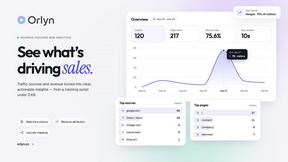
Orlyn
Privacy-first, cookieless web analytics that ties your traffic and marketing channels to real Stripe revenue.
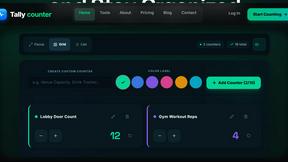
tallycounterweb.com
Online tally counter for tracking attendance, workouts, inventory, visitors, sports scores, habits, and everyday counting tasks.
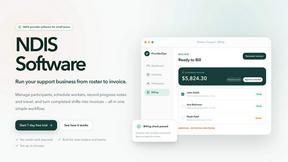

Flux Lora
Explore Flux LoRA online workflows and the roadmap for models, generation, and training.
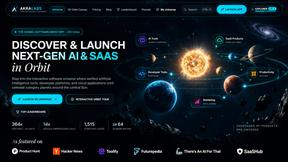

Seedream 5.0
Generate and edit production-ready images with Seedream 5.0 Pro and Lite for ecommerce, marketing, social media, and branded content.
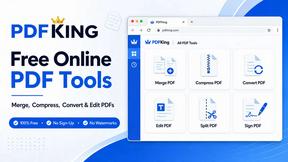
PDFKing
Free online PDF tools to merge, compress, convert, edit, sign, and manage documents—no signup, watermarks, or daily limits.