
Mod vs Requestly
Side-by-side comparison to help you choose the right product.

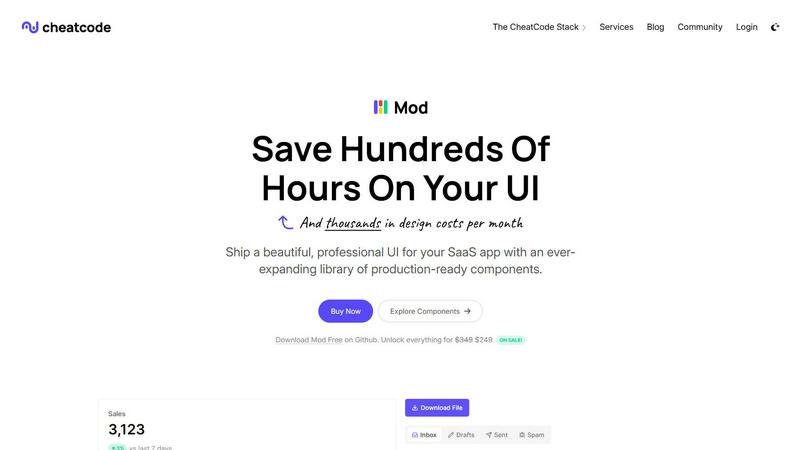
Mod is your gateway to rapidly building stunning SaaS apps with a rich library of customizable CSS components.

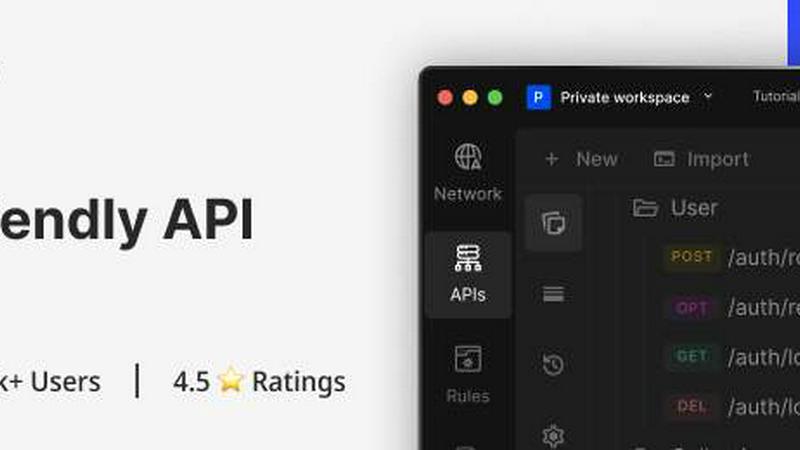
Requestly is a fast, git-based API client that enables easy collaboration without login, making API testing effortless and efficient.
Visual Comparison
Mod
Requestly
Overview
About Mod
Mod is a revolutionary CSS framework designed specifically for building Software as a Service (SaaS) user interfaces. With a collection of over 88 components and 168 styles, it equips developers with the tools they need to create visually stunning and functional web applications. Whether you're a solo developer embarking on your first project or part of a dedicated team in a bustling tech company, Mod provides the flexibility and responsiveness necessary to meet diverse design needs. Its framework-agnostic nature means it seamlessly integrates with popular frameworks like Next.js, Nuxt, Vite, Svelte, Rails, and Django, making it a versatile addition to any developer's toolkit. The main value proposition of Mod lies in its ability to streamline the design process, allowing developers to ship faster while significantly reducing design costs. With features like dark mode and mobile-first design, Mod ensures that your applications not only look great but also function flawlessly across devices and platforms.
About Requestly
Requestly is a modern, lightweight API client designed specifically for development teams that prioritize control and efficiency in their API workflows. Unlike traditional cloud-based solutions, Requestly operates with a local-first approach, ensuring that your data remains secure and stored directly on your machine. This is a significant advantage for teams looking to maintain version control over their API collections, as Requestly allows collections to be stored as files that can easily integrate with Git. With the power of AI integrated into its core, Requestly not only streamlines the process of writing requests and generating tests but also enhances debugging capabilities, making it faster and easier for developers to work with APIs. It supports both REST and GraphQL, offering features like schema introspection, pre/post request scripts, and environment variables. The platform also encourages collaboration with its free-tier features, which include shared workspaces and role-based access control. With no sign-up required, developers can start using Requestly immediately, a feature that has gained the trust of over 300,000 users from top companies like Microsoft, Amazon, Google, and Adobe.