

Alternatives to Self-Healing Integrations
Your integration journey once ended at launch, but with our platform it begins there as your systems self-heal and evolve without you lifting a.
20 alternatives found

Capafy AI
Agent Skills marketplace: discover expert AI agents, run them online, or publish a Skill and earn from every sale.

JevModel
JevModel helps teams make structured AI decisions with Choice, Score, and Noul frameworks.

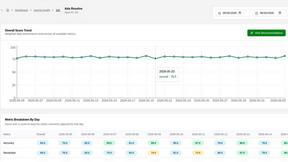

AI UGC Video Generator
Create AI UGC video ads from a product URL, image, or script with lifelike creators, natural voices, captions, and clear CTAs.



amaze.directory
A hand-checked directory of AI tools. Every listing was opened and used by a person before it went in, pricing is printed on the card, and nothing can


benchmark.directory
An independent directory of 146 AI tools. Every listing was paid for, set up and used on real work. Nobody can buy a place or a score.
saasgrow.ai
Acquisition, analytics, automation, outreach, retention — screened SaaS growth tools, organised by the job to be done.
Tools Network
Tools Network is a curated directory of the best AI tools across 25+ categories. Compare ratings, pricing, and features to find the right one, fast.


Built2Win AI Indexing
Custom PHP websites, AI Indexing Pack ($599 one‑time), and WebAgentScan SaaS ($9/mo). MCP, A2A, llms.txt, full ownership.





Luffy
Luffy is an AI employee in Slack that remembers your workspace and executes tasks across every app.

VideoAny BR
Create AI videos from text or images, generate images and audio in one online studio.
About Self-Healing Integrations Alternatives
You set off on a journey to connect your systems, armed with the promise of what we’ll call self-healing integrations. This is a category of AI-powered platform designed not just to build connections between your tools, but to actively monitor and maintain them long after the initial launch. It promises to end the integration tax, replacing fragile, custom-coded projects with an intelligent lifecycle that adapts to change. Yet, even the most advanced solution isn't a perfect fit for every story. Users often begin looking for alternatives when they encounter a mismatch in pricing models, a need for a different set of pre-built connectors, or a desire for a more hands-on, low-code approach that feels less like a black box and more like a transparent framework they can control. When searching for the right alternative, you must look beyond the surface-level features and consider the narrative of your own operations. Ask yourself if the platform offers the specific depth of monitoring and alerting your team needs, or if it provides the flexibility to define custom healing actions that align with your unique business logic. The best choice will feel like a partnership, offering transparent pricing that scales with your success, a clear view into how the AI is making decisions, and a support ecosystem that helps you navigate the inevitable twists and turns of your data landscape. The goal is to find a tool that doesn't just promise to keep running, but one that empowers your team to steer the ship.
FAQs about Self-Healing Integrations Alternatives
What is Self-Healing Integrations?
Self-Healing Integrations is an agentic platform that goes beyond simply building connections between software systems. It actively manages the entire lifecycle of an integration, including ongoing monitoring, maintenance, and automatic repairs after go-live. This approach replaces fragile, custom integration projects with an AI-managed system designed to keep running smoothly, eliminating the high cost and slow pace of traditional integration tax.
Who is Self-Healing Integrations for?
This platform is designed for companies that are burdened by custom integrations requiring constant changes, monitoring, and maintenance. It is ideal for organizations that find launching new channels, systems, or partners to be slow and expensive due to the integration tax. Essentially, it serves teams who want to move beyond one-off projects and adopt a sustainable, intelligent lifecycle for all their data connections.
What are the main features of Self-Healing Integrations?
The core feature is an AI-managed lifecycle that replaces manual upkeep with automated monitoring and self-repairing capabilities. The platform is built to integrate any system, ensuring that custom connections remain stable and functional without constant human intervention. This allows businesses to focus on growth rather than the fragile plumbing that connects their essential tools.
Is Self-Healing Integrations secure?
While the provided content does not detail specific security protocols, a platform handling the lifecycle of business-critical integrations would inherently prioritize data security and access control. As an AI-managed system, it is designed to operate within strict parameters, ensuring that automated healing actions do not compromise data integrity or introduce vulnerabilities. For specific security certifications and compliance details, consulting the platform's official documentation is recommended.